
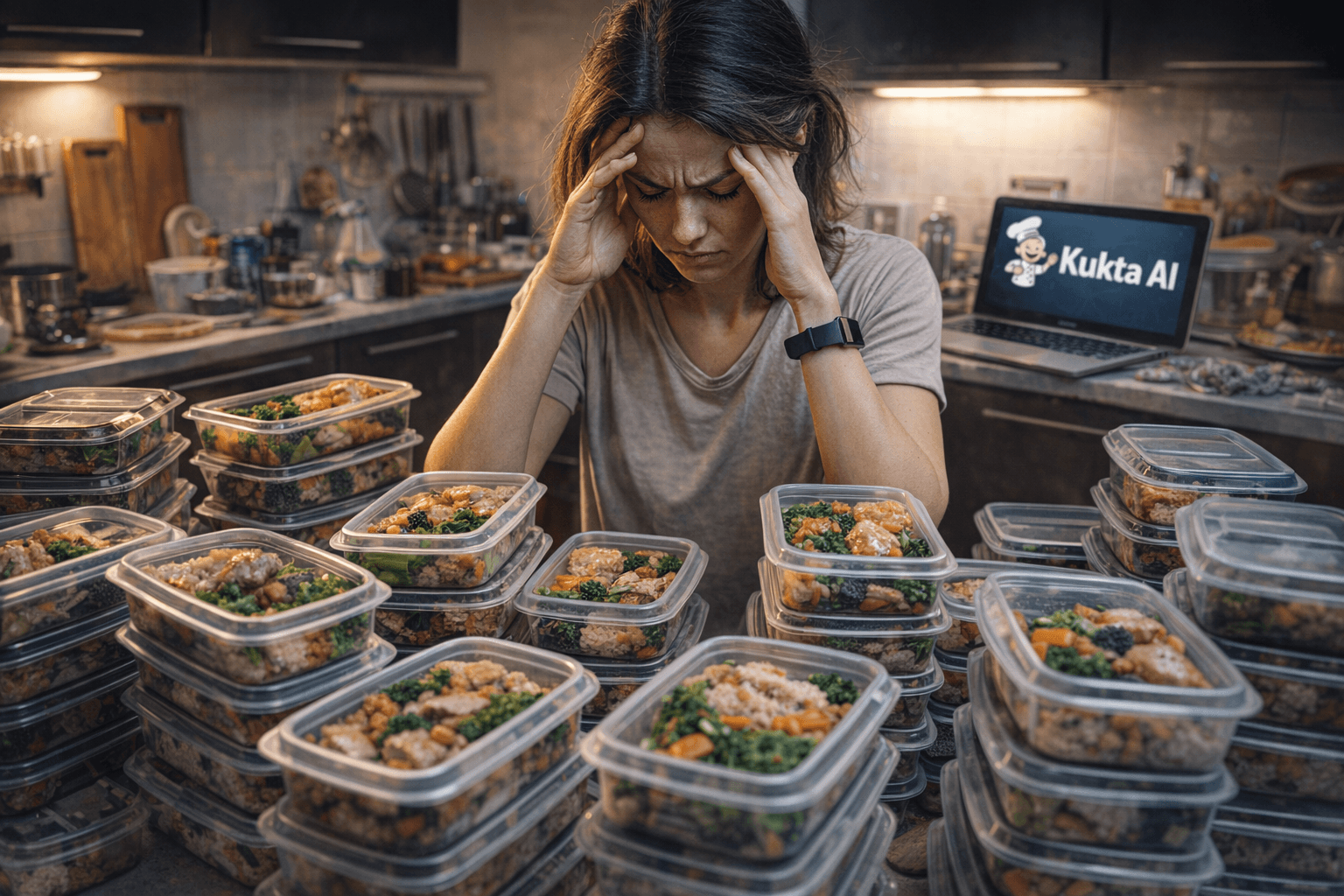
lower cholesterol naturally

Cholesterol-Lowering Diet: Foods to Eat and Avoid for Heart Health

Cookta Care Team
Share
Cholesterol-Lowering Diet: Foods to Eat and Avoid for Heart Health

Cholesterol-Lowering Diet: Foods to Eat and Avoid for Heart Health

If your doctor has told you your cholesterol is elevated, you are not alone. Millions of people hear those words each year, and the news can feel overwhelming. You may wonder what this means for your heart health and whether you will need to take medication for the rest of your life.

The encouraging truth is that for many people, what you eat each day can have a meaningful impact on your cholesterol numbers. While genetics play a role, diet and lifestyle changes are powerful tools that can help lower LDL ("bad") cholesterol and protect your heart. This guide will walk you through the science-backed foods that make a difference, what to limit, and how to build satisfying meals that support your goals.

Understanding Cholesterol: LDL, HDL, and Why It Matters

Cholesterol is a waxy, fat-like substance your body needs to build cells and make certain hormones. Your liver produces all the cholesterol you need, but you also get it from animal-based foods like meat, eggs, and dairy.

Real Dietitians, Real Results

Download on the App StoreGet it on Google Play

The challenge arises when there is too much cholesterol circulating in your blood. Over time, it can build up in your artery walls, forming plaque that narrows the arteries and restricts blood flow. This process, called atherosclerosis, increases your risk of heart attack and stroke.

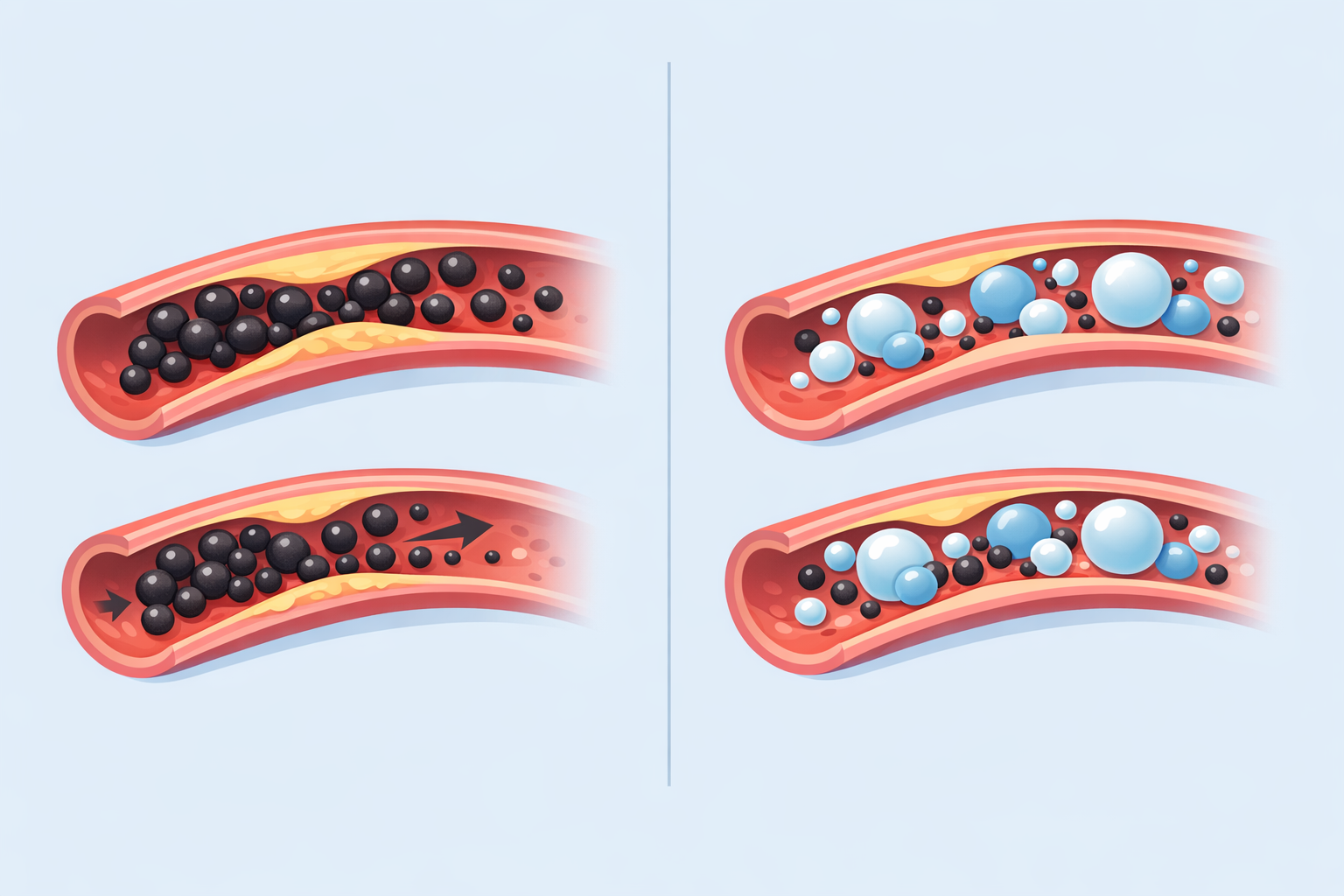
An educational infographic comparing LDL and HDL cholesterol, showing LDL particles as smaller darker spheres being reduced while HDL particles as lighter rounded shapes help clear pathways, with simple visual representations of arteries

The Difference Between LDL and HDL Cholesterol

Not all cholesterol behaves the same way in your body:

Real Dietitians, Real Results

Download on the App StoreGet it on Google Play
  • LDL (low-density lipoprotein) is often called "bad" cholesterol because it carries cholesterol to your arteries, where it can accumulate and form plaque. High LDL levels are a major risk factor for heart disease.
  • HDL (high-density lipoprotein) is known as "good" cholesterol because it acts like a scavenger, picking up excess cholesterol from your bloodstream and transporting it back to your liver for removal. Higher HDL levels are protective.

When you get your cholesterol tested, your doctor looks at your total cholesterol, LDL, HDL, and triglycerides (another type of fat in your blood). The goal is to lower LDL and triglycerides while maintaining or raising HDL.

Foods That Help Lower Cholesterol Naturally

Research consistently shows that certain foods can actively reduce LDL cholesterol. Adding these to your daily routine is one of the most effective steps you can take.

Soluble Fiber: Nature's Cholesterol Sponge

Soluble fiber is a type of fiber that dissolves in water to form a gel-like substance in your digestive tract. This gel binds to cholesterol and bile acids (which contain cholesterol), preventing them from being absorbed into your bloodstream. Instead, they are excreted in your stool.

Real Dietitians, Real Results

Download on the App StoreGet it on Google Play

Your body then pulls cholesterol from your bloodstream to make more bile acids, which helps lower your LDL levels.

The best sources of soluble fiber include:

  • Oats and oat bran (start your day with steel-cut or rolled oats)
  • Beans and lentils (black beans, kidney beans, chickpeas, red lentils)
  • Barley (try it in soups or as a side dish)
  • Psyllium husk (a fiber supplement you can add to smoothies or water)
  • Fruits with pectin (apples, citrus fruits, grapes, strawberries, raspberries)
  • Vegetables (okra, eggplant, Brussels sprouts, carrots)

Aim for at least 5 to 10 grams of soluble fiber per day, which can lower your LDL by 5 to 11 percent.

Real Dietitians, Real Results

Download on the App StoreGet it on Google Play

Fatty Fish: Omega-3s for Heart Health

Fatty fish like salmon, mackerel, sardines, tuna, and herring are rich in omega-3 fatty acids. While omega-3s do not directly lower LDL cholesterol, they provide powerful heart benefits:

  • They lower triglycerides by 20 to 50 percent
  • They reduce inflammation in your arteries
  • They may slightly raise HDL cholesterol
  • They help prevent blood clots that can lead to heart attacks

Try to eat fatty fish at least twice a week. If you do not eat fish, talk to your healthcare provider about whether an omega-3 supplement is appropriate for you.

Nuts and Seeds: Plant-Based Powerhouses

Studies show that eating a handful of nuts daily can reduce LDL cholesterol by 3 to 19 percent. Nuts are rich in unsaturated fats, fiber, and plant compounds called sterols that help block cholesterol absorption.

Real Dietitians, Real Results

Download on the App StoreGet it on Google Play

The best choices include:

  • Walnuts (especially high in omega-3s)
  • Almonds (rich in vitamin E and fiber)
  • Pistachios, hazelnuts, and pecans

Stick to a small handful (about 1.5 ounces or 42 grams) per day, as nuts are calorie-dense. Choose unsalted, unsweetened varieties.

Olive Oil and Avocado: Healthy Fats That Protect Your Heart

Replacing saturated fats (like butter and lard) with unsaturated fats is one of the most effective dietary changes for lowering cholesterol.

Real Dietitians, Real Results

Download on the App StoreGet it on Google Play

Extra virgin olive oil is rich in monounsaturated fats and antioxidants called polyphenols that protect your blood vessels from damage. Studies link olive oil consumption to lower LDL oxidation (a process that makes LDL more likely to form plaque) and reduced inflammation.

Avocados are another excellent source of monounsaturated fats, plus they provide fiber and plant sterols. Research suggests that eating one avocado per day can lower LDL cholesterol by up to 13 percent.

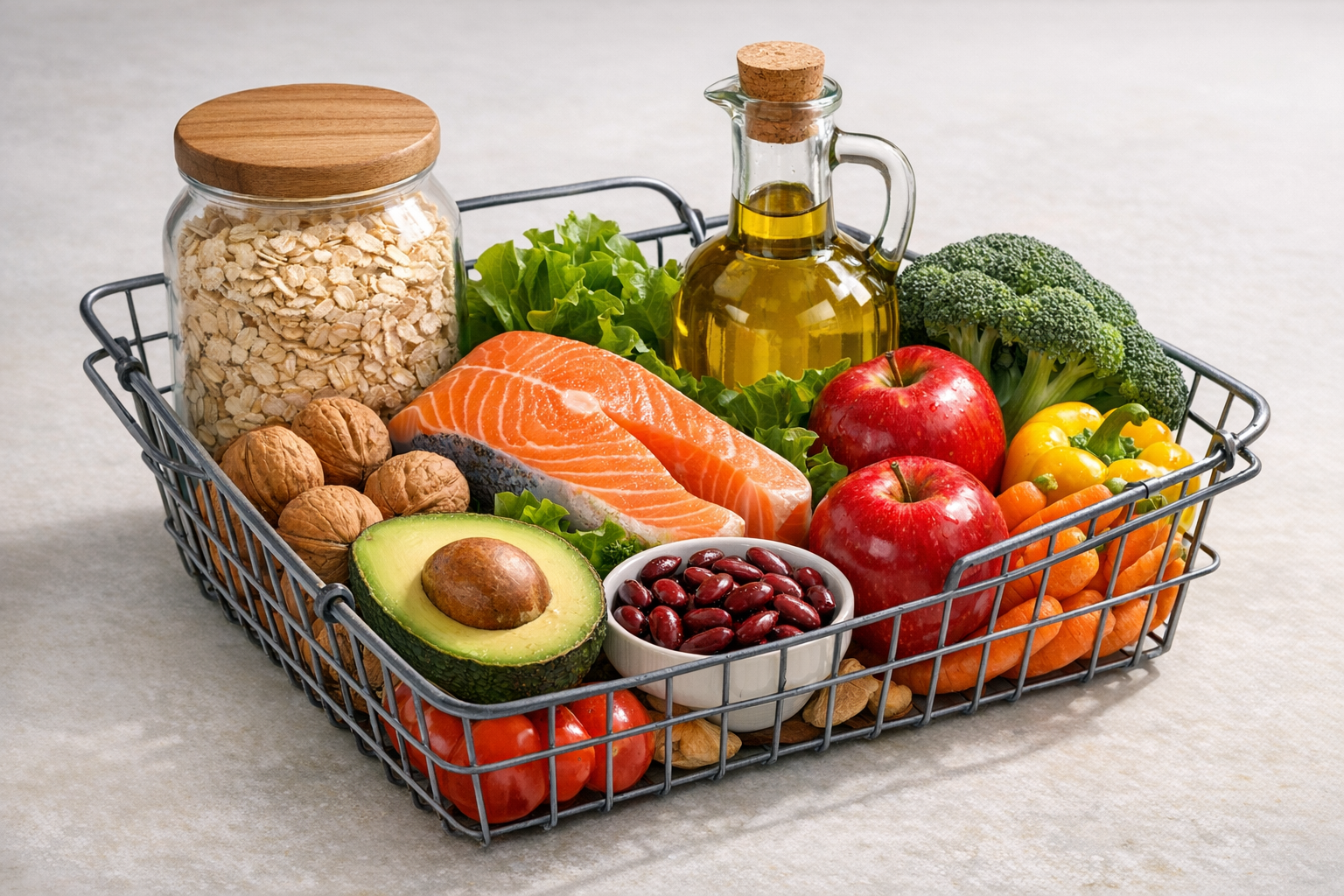
A grocery basket filled with cholesterol-lowering foods including rolled oats, walnuts in shell, fresh salmon fillet, olive oil bottle, avocado, red apples, kidney beans, and colorful vegetables

Real Dietitians, Real Results

Download on the App StoreGet it on Google Play

Fruits and Vegetables: Antioxidants and Fiber

A diet rich in fruits and vegetables is consistently linked to lower cholesterol and reduced heart disease risk. They provide:

  • Soluble fiber (especially apples, citrus, berries, and okra)
  • Antioxidants that prevent LDL oxidation
  • Plant sterols and stanols that block cholesterol absorption

Aim for at least 5 servings of vegetables and 2 servings of fruit each day.

Foods to Limit or Avoid for Better Cholesterol

Knowing what to eat is only half the equation. Limiting foods that raise LDL cholesterol is equally important.

Real Dietitians, Real Results

Download on the App StoreGet it on Google Play

Saturated Fats: The Primary Culprit

Saturated fats are the biggest dietary driver of high LDL cholesterol. They are found primarily in animal products and some plant oils:

Foods high in saturated fat include:

  • Red meat (beef, lamb, pork)
  • Full-fat dairy products (butter, whole milk, cream, cheese)
  • Processed meats (sausages, bacon, hot dogs)
  • Coconut oil and palm oil

The American Heart Association recommends limiting saturated fat to less than 6 percent of your daily calories. For most people, that means less than 13 grams per day.

Real Dietitians, Real Results

Download on the App StoreGet it on Google Play

Trans Fats: The Worst Offenders

Trans fats are created when liquid vegetable oils are partially hydrogenated to make them solid. They raise LDL cholesterol and lower HDL cholesterol, making them doubly harmful.

Trans fats are found in:

  • Fried foods
  • Commercially baked goods (pastries, donuts, cookies)
  • Stick margarine and shortening
  • Some processed snack foods

Many countries have banned artificial trans fats, but they may still appear in small amounts in processed foods. Check ingredient labels for "partially hydrogenated oils" and avoid products that contain them.

Real Dietitians, Real Results

Download on the App StoreGet it on Google Play

Dietary Cholesterol: Less Concern Than Once Thought

For decades, experts recommended limiting foods high in cholesterol, like eggs and shellfish. However, research now shows that for most people, dietary cholesterol has a relatively small effect on blood cholesterol compared to saturated and trans fats.

Still, if you have high cholesterol or diabetes, it is wise to limit dietary cholesterol to under 200 mg per day. One large egg contains about 186 mg of cholesterol, all in the yolk.

Common Questions About Lowering Cholesterol

What Foods Lower Cholesterol Fast?

While no food works overnight, soluble fiber-rich foods like oats, beans, and barley can start lowering cholesterol within 2 to 4 weeks. Adding nuts, olive oil, and fatty fish accelerates the benefits. The key is consistency—making these foods part of your daily routine.

Real Dietitians, Real Results

Download on the App StoreGet it on Google Play

Can I Lower Cholesterol Without Medication?

For many people, the answer is yes. Lifestyle changes can lower LDL cholesterol by 20 to 50 percent. However, this depends on your starting numbers, your genetics, and other risk factors. Some people will still need medication even with excellent diet and lifestyle habits. That is not a failure—it is simply how your body works.

How Long Does It Take to Lower Cholesterol With Diet?

Most people see improvements in 4 to 6 weeks of consistent dietary changes. Your doctor may recheck your levels after 3 months to assess your progress. The benefits continue to accumulate over time.

The Portfolio Diet: An Evidence-Based Approach

The Portfolio Diet is a research-backed eating plan specifically designed to lower cholesterol. It combines four key components:

Real Dietitians, Real Results

Download on the App StoreGet it on Google Play
  1. Nuts (about 42 grams per day)
  2. Soluble fiber (from oats, barley, okra, eggplant)
  3. Soy protein (tofu, edamame, soy milk)
  4. Plant sterols (from fortified foods or supplements)

Studies show this combination can lower LDL cholesterol by up to 30 percent—comparable to some cholesterol-lowering medications.

Practical Meal Ideas for a Cholesterol-Lowering Diet

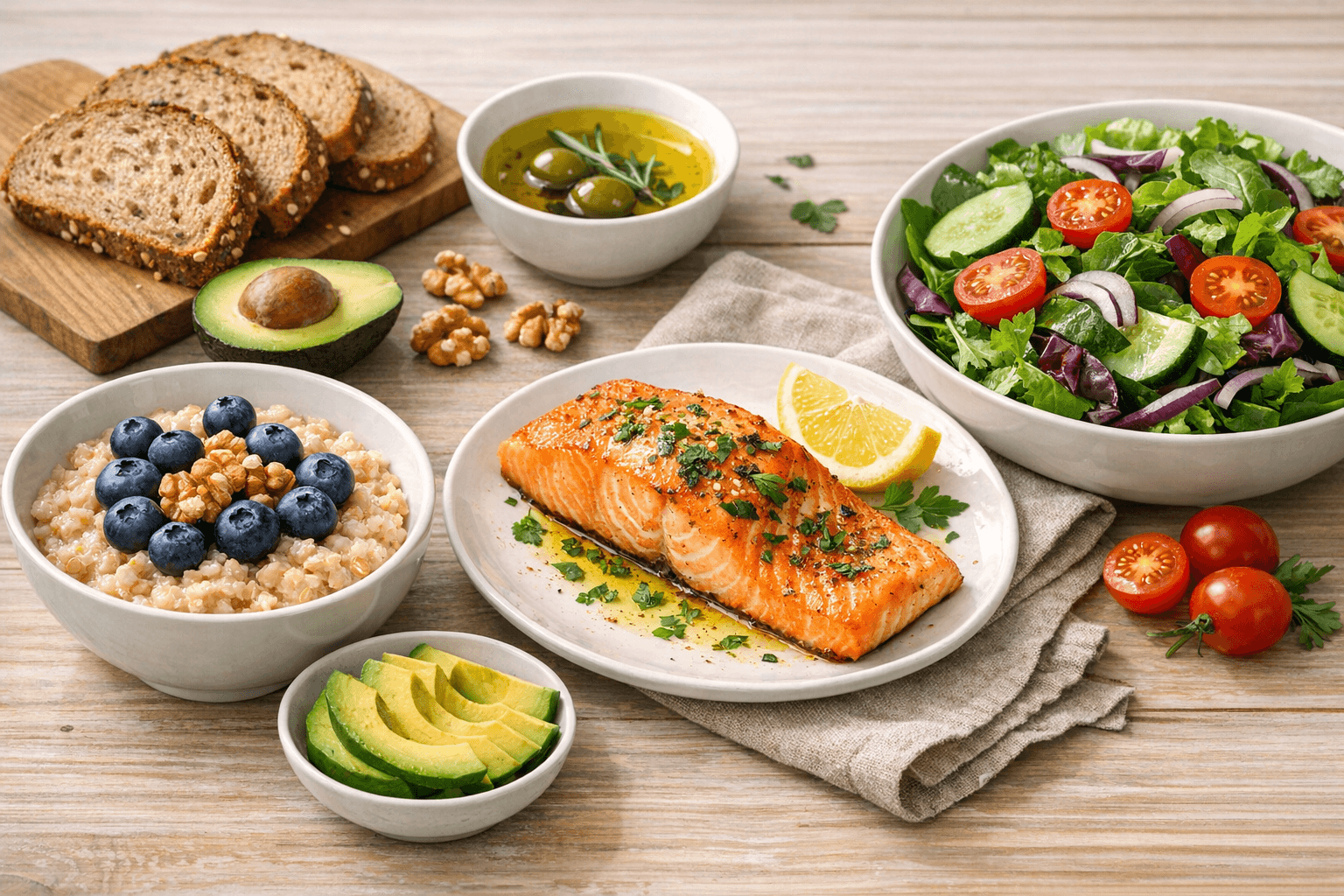
Putting it all together does not have to be complicated. Here are simple meal ideas that incorporate the foods we have discussed:

Breakfast Ideas

  • Overnight oats made with rolled oats, ground flaxseed, walnuts, and berries
  • Steel-cut oatmeal topped with sliced almonds and diced apple
  • Avocado toast on whole-grain bread with a poached egg
  • Greek yogurt with raspberries, a sprinkle of ground flaxseed, and a small handful of pecans

Lunch Ideas

  • Lentil soup with a side of whole-grain bread and a mixed green salad with olive oil dressing
  • Mediterranean salad with chickpeas, cucumber, tomatoes, olives, feta, and olive oil
  • Grilled salmon over quinoa with roasted vegetables (Brussels sprouts, carrots, onions)
  • Black bean and vegetable chili with a side of brown rice

Dinner Ideas

  • Baked salmon with roasted asparagus and barley pilaf
  • Stir-fried tofu with vegetables over brown rice, cooked in a small amount of olive oil
  • Grilled chicken breast with a large salad topped with avocado and olive oil vinaigrette
  • Vegetable and bean stew with barley, seasoned with herbs and a drizzle of olive oil

Snack Ideas

  • A small handful of unsalted walnuts or almonds
  • Apple slices with a thin layer of natural peanut butter
  • Carrot sticks with hummus
  • A small bowl of edamame

Beyond Diet: Other Lifestyle Factors That Matter

While diet is powerful, other lifestyle habits also influence your cholesterol and overall heart health:

Real Dietitians, Real Results

Download on the App StoreGet it on Google Play
  • Physical activity: Regular exercise can raise HDL cholesterol by 5 to 10 percent and lower triglycerides. Aim for at least 150 minutes of moderate-intensity exercise per week.
  • Maintaining a healthy weight: Losing even 5 to 10 percent of your body weight can improve your cholesterol levels.
  • Not smoking: Smoking damages your blood vessels and lowers HDL cholesterol. Quitting smoking improves HDL levels within weeks.
  • Limiting alcohol: Moderate alcohol consumption may slightly raise HDL, but the risks often outweigh the benefits. If you drink, do so in moderation.

When to Seek Professional Support

Making dietary changes can feel challenging, especially if you are managing other health conditions or have a busy life. You do not have to figure it out alone.

A registered dietitian can help you create a personalized eating plan that fits your preferences, lifestyle, and health goals. They can also help you navigate challenges like dining out, traveling, or managing cravings.

If your cholesterol remains elevated despite diet and lifestyle changes, talk to your doctor. Some people have genetic forms of high cholesterol that require medication. Taking medication does not mean you have failed—it is simply another tool to protect your heart.

Real Dietitians, Real Results

Download on the App StoreGet it on Google Play

Final Thoughts

Lowering your cholesterol through diet is not about deprivation or following a strict, joyless eating plan. It is about adding delicious, nourishing foods that support your heart while reducing the ones that do not. Small, consistent changes add up to meaningful results over time.

If you want personalized guidance, Cookta Care connects you with registered dietitians who can create a heart-healthy eating plan tailored to your unique needs. Unlike generic calorie-tracking apps that offer only AI-generated advice, Cookta Care provides access to a community of real, vetted dietitians who use modern technology to support you. With the right guidance and a supportive team, you can take meaningful steps toward better heart health.

This article is for informational purposes only and does not replace personalized medical advice. Always consult your healthcare provider or a registered dietitian before making significant changes to your diet, especially if you have existing health conditions or take medications.

Real Dietitians, Real Results

Download on the App StoreGet it on Google Play
#lower cholesterol naturally#heart healthy diet#cholesterol lowering foods

Others Viewed